Native Form Controls Are a Maintenance Strategy, Not a Design Compromise


Browser support for richer native controls is reducing the need to rebuild familiar form behavior with custom JavaScript widgets. Using the platform can lower code, accessibility, testing, and upgrade costs while preserving a polished interface. For a business owner, the important issue is not the product announcement by itself. It is whether the change reduces risk, improves a customer or staff workflow, and has an operating cost the organization understands. This article gives you a practical way to make that decision with your developer or technology partner.
The business decision behind the technical change
Prioritize the controls tied to leads, checkout, booking, account creation, and staff workflows where failure has direct business impact. Start with the business outcome and the person accountable for it. A feature without an owner becomes an expense that nobody knows how to evaluate, maintain, or retire.
A native select with progressive styling can retain keyboard and submission behavior while replacing a fragile dependency used only for appearance. This is the level at which a useful proposal should be written: a real task, a defined user, an expected result, and a clear consequence if the system is unavailable or wrong.
Count the operational cost, not only the purchase price
Using the platform can lower code, accessibility, testing, and upgrade costs while preserving a polished interface. The total cost also includes setup, testing, staff training, monitoring, support, security review, updates, and an exit or rollback path. Ask which existing tool or manual task the change replaces; adding a second path can increase cost even when the new subscription looks inexpensive.
A custom widget can look distinctive while failing on keyboards, screen readers, mobile browsers, zoom, translation, or validation. Price the failure case as well as the normal case. A few hours of planned testing is often cheaper than emergency coordination among staff, vendors, and customers after an avoidable production surprise.
Ask your developer for a bounded rollout
- Start from semantic HTML.
- Enhance without breaking fallback.
- Test real task completion.
- Remove unused widget dependencies.
- Keep exceptions tied to a documented need.
A bounded rollout should name the first workflow, affected users, success signal, review date, and rollback trigger. Avoid approving a vague organization-wide transformation. Small scope produces clearer evidence and prevents enthusiasm from becoming a permanent unsupported dependency.
Verify the task with real users
Have users complete the task by keyboard and touch, at high zoom, with validation errors, and on the browsers represented in your analytics. Use production-like volume and ordinary permissions. A demonstration by the person who built the system can miss the wording, timing, access, and recovery problems that staff or customers face.
Write down the expected result before the test. Include one failure, such as an unavailable service, invalid input, slow response, or interrupted session. The quality of the error and recovery path often matters more than the ideal screenshot.
Keep ownership and risk visible
Native is not automatically accessible: labels, instructions, focus order, errors, contrast, and testing still determine the experience. Assign an owner for configuration, day-to-day use, incident response, vendor communication, and periodic review. These may be different people, but none should be assumed.
Set limits appropriate to the decision: permissions, spending, data access, rollout size, or service expectations. Record any accepted exception with a reason and an expiry date so temporary pressure does not silently become permanent policy.
Make the decision reversible wherever practical. Keep an export, backup, previous workflow, or contract exit path proportionate to the risk. Reversibility is not pessimism; it gives the team room to learn from real use without turning a pilot into an obligation.
Use a small decision dashboard
Compare JavaScript weight, interaction errors, support tickets, keyboard completion, browser defects, and maintenance hours. Compare the measures with a baseline and review them after staff have used the change under normal pressure. A metric is useful only if it can lead to a decision: continue, adjust, pause, or remove.
Combine numbers with direct observations. Faster completion may still feel confusing, while fewer support tickets may hide a task customers abandoned. Keep the dashboard small enough that someone actually reads and owns it.
Schedule the first review before rollout begins and bring the people closest to the work. Decide in advance what evidence would justify expansion and what signal would trigger correction. Otherwise the pilot can continue by inertia even when nobody can show that it helped.
The next practical step
Inventory custom form widgets and rank them by business importance, defect history, and whether the platform now covers the requirement. Ask for the plan in plain language, including the affected workflow, owner, test, measurement, and rollback. That is enough structure to turn a technology trend into a controlled business improvement.
For current context, review WebKit’s Safari 27 customizable select overview. The source explains what the platform offers; your own workflow and risk determine whether, where, and when it deserves a place in the business.
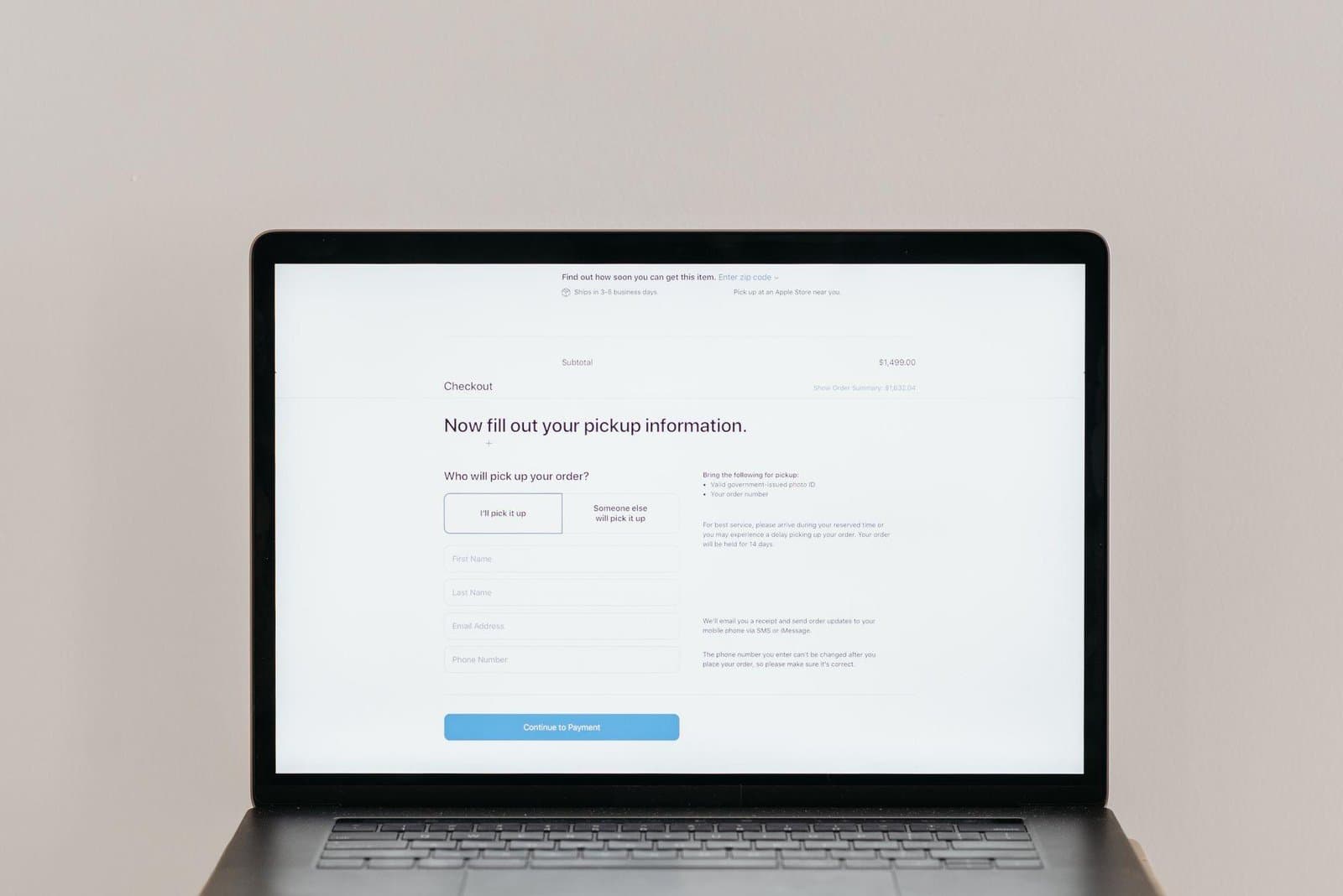
Photo by RDNE Stock project on Pexels.

Written by
Adrian Saycon
A developer with a passion for emerging technologies, Adrian Saycon focuses on transforming the latest tech trends into great, functional products.