Your Website Needs a Data Dictionary Before Another Dashboard

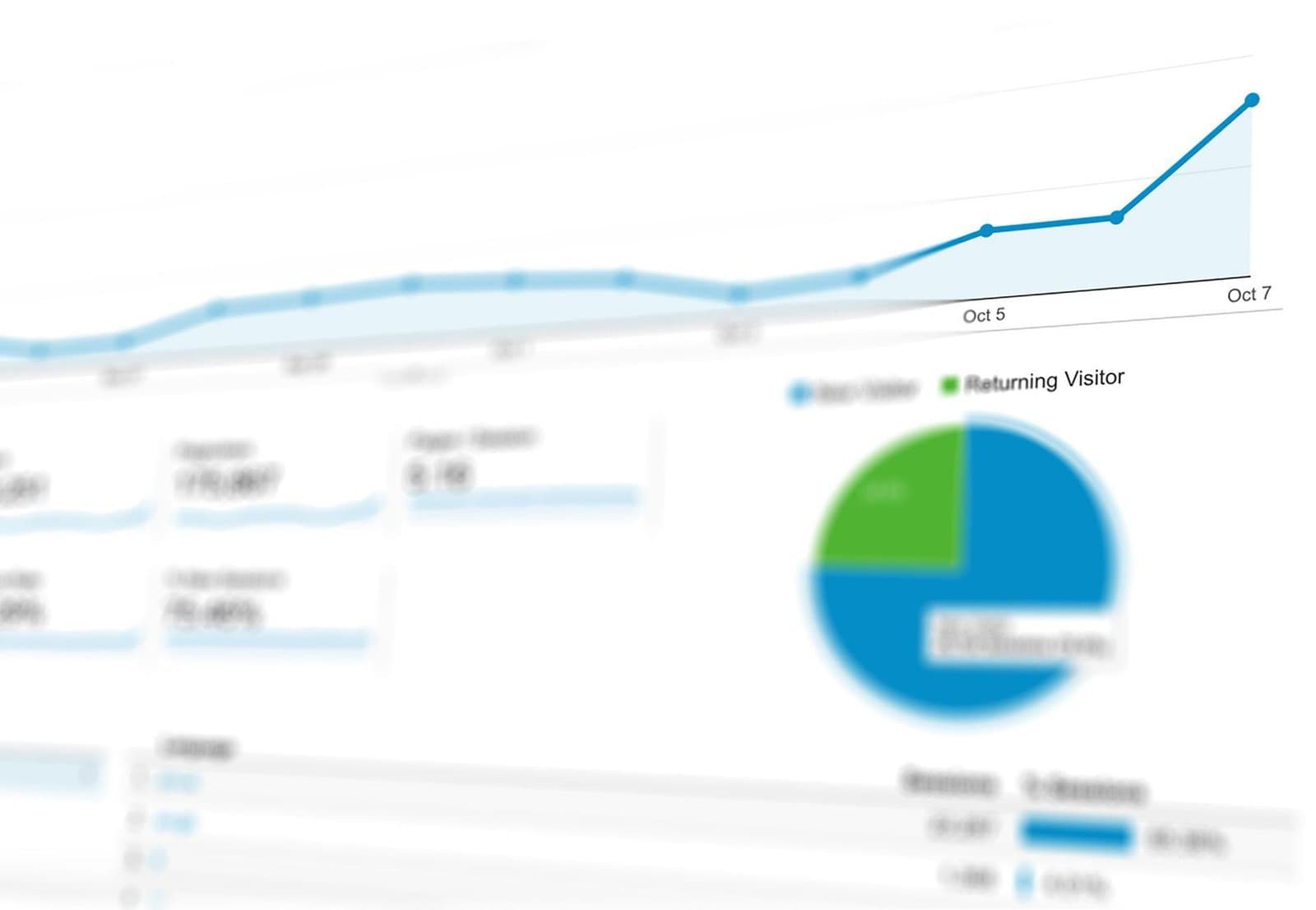
A new dashboard will not fix messy definitions. If marketing, sales, and operations each mean something different by lead, conversion, qualified, source, or active customer, the charts will only make confusion look official.
A small data dictionary can be more valuable than another analytics tool.
To evaluate a website data dictionary honestly, follow a situation that matters to the business and its audience. For example, marketing and sales compare reports that use different meanings for lead, source, and qualified conversion. The scenario makes tradeoffs visible and prevents the team from filling the plan with generic best practices. Each recommendation can be tied to a person, a decision, and an observable result.
Name the business events clearly
The website is often where business data starts. Forms, downloads, bookings, purchases, newsletter signups, and chat interactions become events. If those events are named inconsistently, reporting gets noisy fast.
A data dictionary gives the team a shared language before the data enters GA4, Search Console, a CRM, or a custom dashboard.
- Define each conversion and micro-conversion.
- Document required form fields and allowed values.
- Standardize campaign and source naming.
- Identify which system is the source of truth.
- Review definitions when the sales process changes.
Small teams benefit most
Clear definitions reduce meetings, rework, and the quiet distrust that forms when reports never match what people see in the business.
Better analytics starts with vocabulary, not visualization.
Define the Event Before Drawing the Chart
Turn the example into a small acceptance test with a starting condition, action, expected response, and evidence. Include the known risk that teams make decisions from polished charts built on incompatible names, duplicate events, and unclear ownership. This makes discussion about a website data dictionary less subjective. It also prevents a change from being declared successful when it improves the visible step but damages the record, message, payment, index, or follow-up that comes afterward.
Reconcile Website and CRM Vocabulary
Before acting, agree to inspect consistent event names, documented definitions, traceable sources, and reports that reconcile across systems. Make the source and calculation accessible to the person who owns the decision. Follow the numbers back to a sample of real pages, interactions, or records, because collection can be wrong even when a report looks polished. Evidence about a website data dictionary should reduce uncertainty, not simply make an existing preference look official.
Appoint a Steward for Measurement Definitions
Give an analytics owner with sign-off from the teams that create and consume the data authority over the outcome, not just the report. The person should be able to request changes, verify them, and schedule another check after relevant releases or process updates. Capture accepted risks with an expiry or review condition. Otherwise a temporary compromise around a website data dictionary can survive indefinitely because nobody remembers why it was made.
Fix Ambiguous Conversions at Their Source
Begin with the finding that has a credible path from cause to harm: teams make decisions from polished charts built on incompatible names, duplicate events, and unclear ownership. Make the change narrow enough to review and reverse, yet complete enough to cover the entire handoff. Compare before and after evidence, note unexpected effects, and schedule another observation. Verified small corrections are a safer foundation for broader a website data dictionary work than an unmeasured overhaul.
Allow Definitions to Follow the Real Business Process
The conclusion needs a clear limit: Definitions should be stable enough for comparison but revised when the actual sales or service process changes. Apply the guidance to the specified journey and resist claiming broader coverage without evidence. A useful next step is one review that ends with a corrected outcome, an accountable person, and a date or event for rechecking. That converts a website data dictionary from a vague intention into maintainable work the business can explain.
Implementation Checklist: Your Website Needs a Data Dictionary Before Another Dashboard
Take the article’s recommendations into a real review: define each conversion and micro-conversion; document required form fields and allowed values; and standardize campaign and source naming. Use the resulting evidence to decide how to identify which system is the source of truth, and finish by confirming you can review definitions when the sales process changes. Keep the review attached to one important page or workflow. Once that example is stable, the method can be repeated elsewhere with its assumptions made explicit rather than copied blindly.
Finish by reading the intended benefit aloud: Analytics becomes useful when everyone agrees what leads, conversions, sources, and campaigns actually mean. The Analytics owner should confirm that the collected evidence actually addresses that benefit. Related subjects such as Data Quality, Measurement, CRM can inform the next review, but they are not reasons to delay a clear first fix. Document the outcome, the person accountable for it, and the condition that would prove the problem has returned.
Photo by Negative Space on Pexels.

Written by
Adrian Saycon
A developer with a passion for emerging technologies, Adrian Saycon focuses on transforming the latest tech trends into great, functional products.