The Quiet Case for Keeping WordPress in 2026


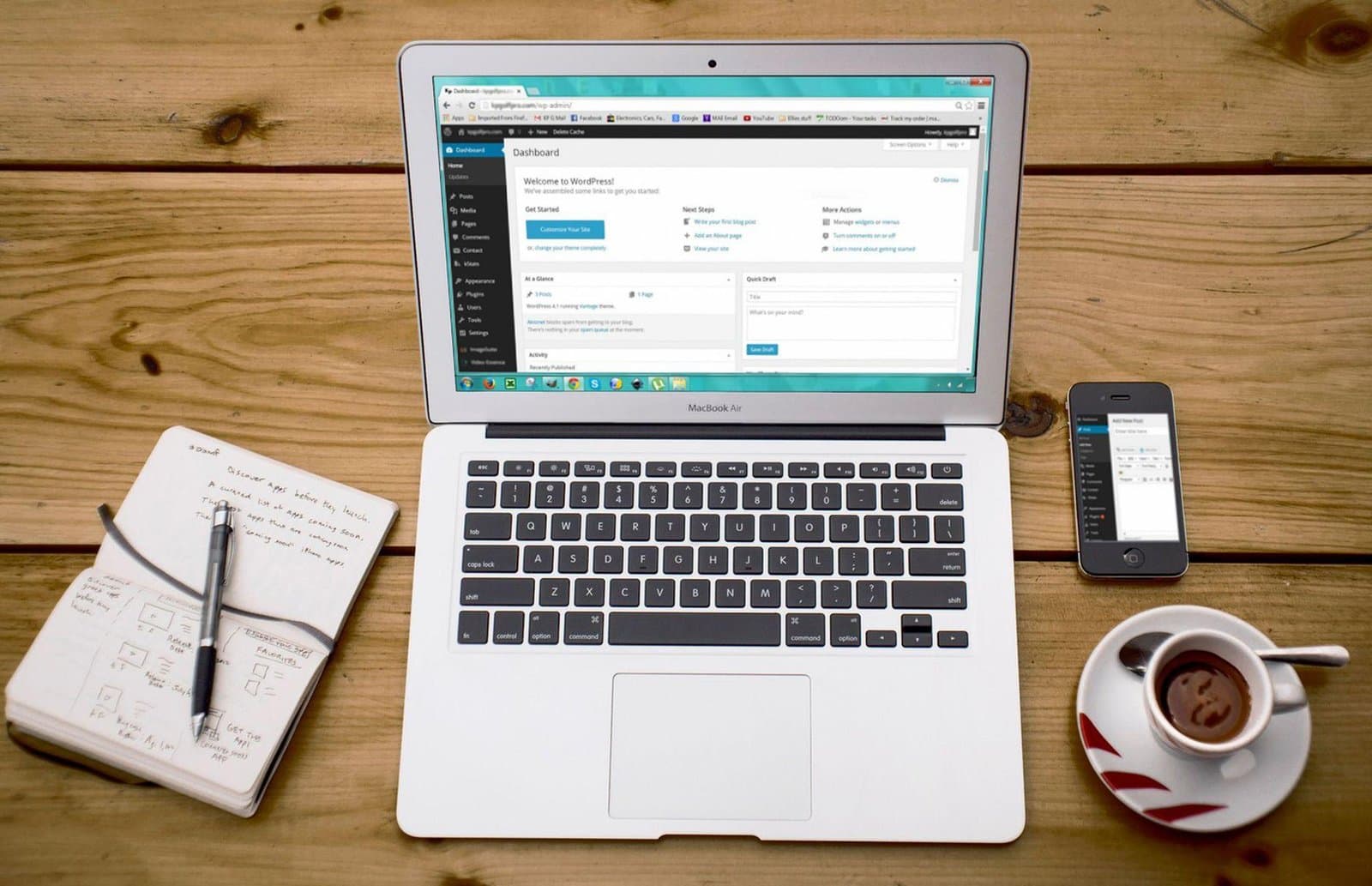
Every year someone publishes a “WordPress is dead” article. Every year WordPress grows. In 2026, WordPress still powers more of the web than every other CMS combined, and the gap hasn’t shrunk — it’s widened. That’s worth a moment’s reflection before you abandon it for whatever framework is trending this month.
I’m not a WordPress evangelist. I’ve built plenty of sites on Next.js, Astro, and pure static generators. But there’s an honest case for WordPress that rarely gets made in public, so here it is.
Your content team already knows it
If the people writing your content have used WordPress before — and almost everyone has — you get onboarding for free. They know how to add a post, set a featured image, schedule publishing, embed a video, and manage categories. A move to a new CMS means training, documentation, and months of frustrated “how do I…” messages. That’s a real cost, and it rarely shows up in migration proposals.
The ecosystem is a feature, not a bug
Need a contact form? There’s a plugin. Need SEO? There’s a plugin. Need a membership system, an events calendar, an affiliate tracker, a learning management system? All plugins. Most of them free, most of them well-maintained, most of them battle-tested by millions of sites.
In a modern framework, every one of those features is either a paid SaaS you wire up or a component you build from scratch. Neither is faster or cheaper than wp-admin → Plugins → Add New.
WordPress got genuinely good
The WordPress of 2026 isn’t the WordPress of 2015. The Block Editor is mature. The REST API is solid. Full-site editing actually works. Performance out of the box is dramatically better than it used to be — WordPress 6.8’s Speculation Rules API gives you near-instant navigation for free. Core’s switched to bcrypt for password hashing. Database queries are smarter. The admin experience is faster.
Most of the things people complain about with WordPress are complaints from five years ago that got quietly fixed.
You can still go modern when you need to
The “WordPress or modern stack” framing is a false choice. Headless WordPress gives you a modern frontend — Next.js, Astro, Nuxt, whatever — backed by the CMS your team already knows. You get the speed and flexibility of a modern framework and the authoring experience of WordPress. Best of both worlds, if you genuinely need both.
And when you don’t, a well-tuned traditional WordPress site is still plenty fast in 2026. Caching, good hosting, optimized images, and a lean theme will beat most “modern” sites built without care.
The practical checklist
Keep WordPress if:
- Your content team is comfortable with it
- You use features that WordPress plugins solve cheaply (memberships, events, LMS, forms)
- Your site performs adequately and the bottleneck is something else (design, content, traffic)
- You value the ability to make small edits without a deployment pipeline
Consider moving off WordPress if:
- Your site is slow and no amount of optimization has helped
- Your design or interactivity needs genuinely exceed what themes can deliver
- You have specific compliance, multi-channel, or infrastructure needs WordPress doesn’t handle well
- You’re rebuilding anyway and want to reconsider the foundation
The part nobody says out loud
A lot of “we should migrate away from WordPress” decisions are actually “my developer doesn’t want to work in WordPress” decisions. That’s a valid preference, but it’s not a business case. If someone is pushing a migration, ask them to quantify the benefit in terms of your business — leads, revenue, load time, team hours — not in terms of which stack they prefer to work in.
WordPress is not cool. It’s also not dead. In 2026, it’s still the most pragmatic choice for most small and mid-size websites, and anyone telling you otherwise is selling something.

Written by
Adrian Saycon
A developer with a passion for emerging technologies, Adrian Saycon focuses on transforming the latest tech trends into great, functional products.