API-First Is Not Always Customer-First

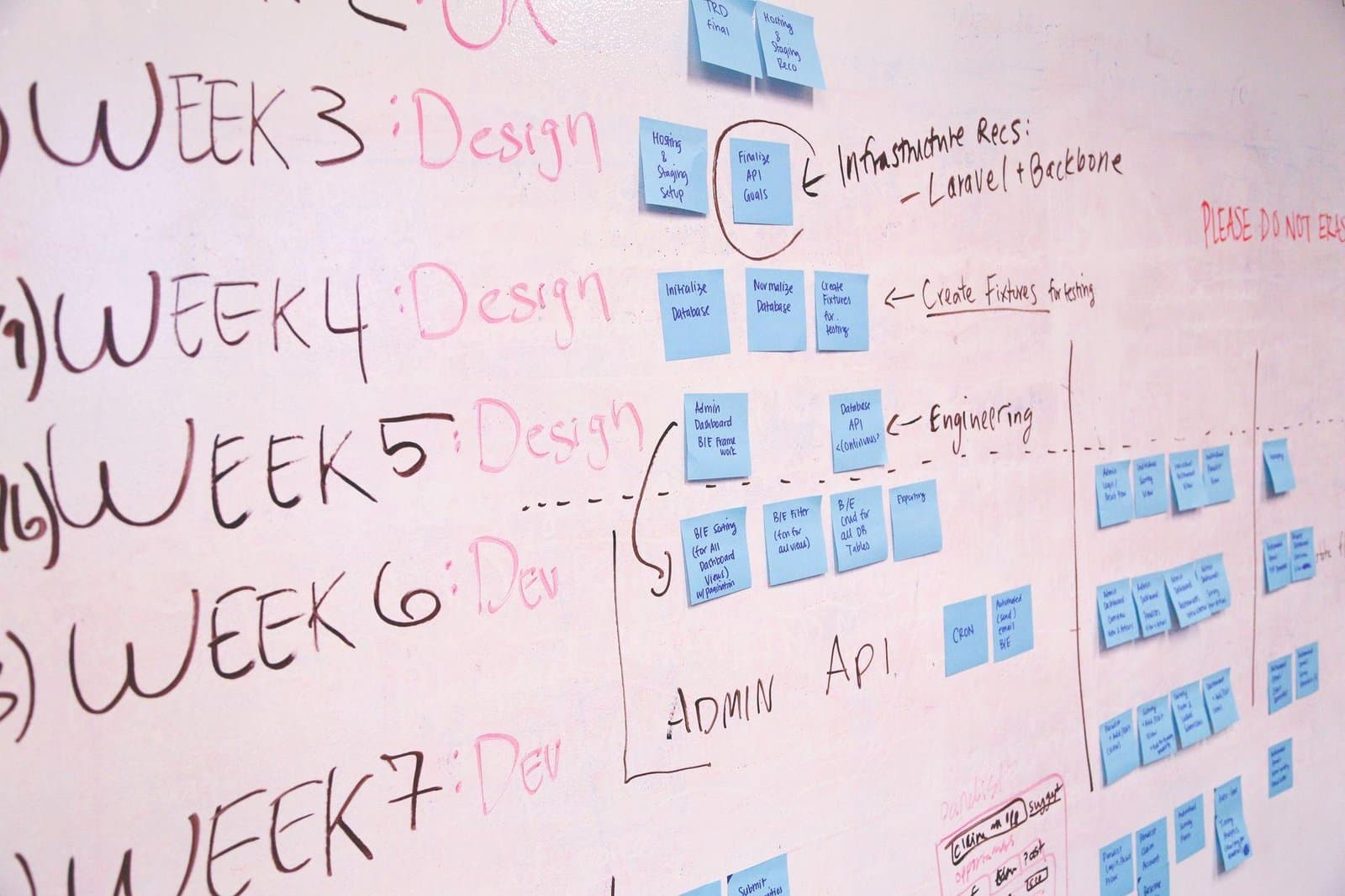
API-first can be a strong architectural choice. It supports multiple clients, cleaner integrations, and better separation between systems. But API-first is not automatically customer-first.
A technically elegant API can still support a confusing workflow.
Architecture should serve the journey
Before deciding that every system needs an API-first redesign, map what customers and internal users are trying to accomplish. Some problems need better data boundaries. Others need a simpler page, clearer copy, or fewer steps.
The architecture should make the important workflow reliable, not become the project goal by itself.
When API-first makes sense
- Multiple apps need the same data.
- Partners or internal tools need controlled access.
- The frontend and backend will evolve separately.
- Data contracts need formal governance.
- Automation depends on stable integration points.
Choose API-first when it supports the product strategy, not because it sounds more mature.
Begin with the customer task and named consumers
Treat the API-first architecture decision as a risk-adjusted product decision. The central question is whether an API boundary simplifies a real product workflow or merely satisfies an architectural preference; the answer should reflect both customer value and the cost of being wrong. More complexity is justified only when it controls a named risk or enables a measured outcome.
A common failure occurs when teams design resources and endpoints before understanding the customer task, then expose technical concepts as confusing screens and extra steps. This failure often survives a happy-path test because it depends on volume, unusual data, or a stressed operator. Model those conditions before scaling the rollout and decide what evidence is required to continue.
Model a delivery change around the user journey
A customer asking for a delivery change cares about eligibility, options, confirmation, and outcome. An API may coordinate web, mobile, and support tools, but its model should follow that journey rather than database tables.
Use the scenario to identify the highest-consequence mistake. Check whether the first checkpoint (“Map the customer and operator journey before resource design”) prevents it, detects it, or merely makes it less visible. Then evaluate the second checkpoint (“Identify consumers, ownership, latency, consistency, and permission needs”) as the recovery step, including authority and time pressure.
Add an API only where the boundary earns its cost
For the API-first architecture decision rollout, reduce exposure while learning by following these release controls:
- Map the customer and operator journey before resource design.
- Identify consumers, ownership, latency, consistency, and permission needs.
- Prototype the workflow with the simplest dependable boundary.
- Design idempotency, errors, versioning, and observability where an API is justified.
- Keep internal implementation details out of customer-facing concepts.
Within the API-first architecture decision implementation, link each control to a failure it addresses; controls without a risk become ritual. Keep rollback or manual recovery usable until evidence supports broader release, and make the person authorized to stop the rollout explicit.
Measure task success and integration overhead
Measure task completion, integration lead time, support demand, change failure, API adoption by intended consumers, and duplicated logic across clients. Pair a primary outcome with safety and workload guardrails. Review leading indicators during rollout and downstream quality later. A decision to pause can be a successful experiment when it prevents a larger failure.
A direct server-rendered workflow can be simpler for one product surface. Conversely, delaying an API can create duplication when several clients genuinely need consistent capabilities. Write this residual risk down and identify who accepts it; silence is not acceptance.
Hold a risk review for the API-first architecture decision using production evidence. Determine whether the first checkpoint (“Map the customer and operator journey before resource design”) controlled the expected failure and whether the second checkpoint (“Identify consumers, ownership, latency, consistency, and permission needs”) worked under realistic pressure. Add newly observed hazards without inflating every hypothetical one.
Close the largest verified gap first. Keep the third checkpoint (“Prototype the workflow with the simplest dependable boundary”) as a release or maintenance control only if it continues to reduce a meaningful risk.
Rehearse the boundary between “Design idempotency, errors, versioning, and observability where an API is justified” and “Keep internal implementation details out of customer-facing concepts.” Remove a dependency or supply invalid information, then observe whether the workflow stops safely and communicates a useful next step. The resulting notes should clarify ownership and the supported limits of the API-first architecture decision.
Make support feedback part of the evidence loop. Tag recurring questions and failures closely enough to distinguish unclear instructions from technical defects and poor-fit requests. For the API-first architecture decision, review a small sample alongside analytics and logs instead of treating anecdotes or aggregate data as sufficient alone. When several users reach the same wrong conclusion, improve the workflow before blaming training. When one rare case drives disproportionate complexity, decide explicitly whether to support it, route it to a person, or set a clearer boundary.
Next step: For the next proposed API, write the customer outcome and named consumers; stop if neither is concrete.
Photo by Startup Stock Photos on Pexels.

Written by
Adrian Saycon
A developer with a passion for emerging technologies, Adrian Saycon focuses on transforming the latest tech trends into great, functional products.