AI Website Builders Are Useful. They Still Need Human Judgment.


AI website builders are no longer a novelty. They can draft layouts, suggest copy, generate images, assemble landing pages, and help non-technical teams get from idea to first version quickly. That is useful. It also creates a new kind of risk: websites that look complete before anyone has made the important decisions.
A website is not valuable because it has sections. It is valuable because it matches the business, speaks to the right buyer, loads reliably, earns trust, and turns attention into action. AI can speed up production, but it cannot own those judgments for you.
Where AI helps
AI is strong at generating first drafts. It can propose headline variations, page outlines, FAQs, service descriptions, image directions, and simple wireframes. It is also useful for turning scattered notes into structured content that a team can review.
For small businesses, that can remove a lot of blank-page friction. Instead of waiting weeks to see something tangible, the team can react to a working draft and improve it.
Where AI still falls short
The weak points are usually strategic. AI does not know which services are most profitable, which objections your sales team hears, which claims require proof, which offers are outdated, or which pages need to rank locally. It can imitate a website shape without understanding the business behind it.
It can also create visual sameness. Many generated sites have polished surfaces but weak hierarchy, vague copy, generic imagery, and calls to action that do not match how customers actually buy.
The right workflow
The best use of AI is not autopilot. It is acceleration with review. Start with a clear brief, generate options, then have a human make decisions about positioning, page structure, proof, technical implementation, and conversion flow.
For developers and agencies, this changes the job. Less time should be spent producing empty structure. More time should be spent tightening the message, improving performance, setting up analytics, connecting forms, hardening security, and making the site maintainable.
Questions to ask before publishing
- Does the page say something specific, or could any competitor use the same copy?
- Is the strongest offer visible without scrolling too far?
- Are the images relevant to the service, audience, and market?
- Does the page have proof, not just claims?
- Can the team update the site without breaking the design?
AI builders are good at getting you to a draft. A business still needs judgment to turn that draft into a website people trust.
Give human reviewers clear decision rights
For the AI-assisted website workflow, start with a service boundary rather than a feature list. The boundary is which decisions the tool may draft and which require accountable human approval. It should identify what the system promises, what people still decide, and where responsibility moves between teams or tools.
A common failure occurs when a plausible page can contain invented proof, weak hierarchy, inaccessible controls, or generic positioning while still looking complete in a preview. The damage is more than rework: ambiguous boundaries create inconsistent customer answers and fragile internal workarounds. Finding them during a tabletop exercise is far safer than finding them during a campaign or incident.
A fast accounting-site draft still needs verification
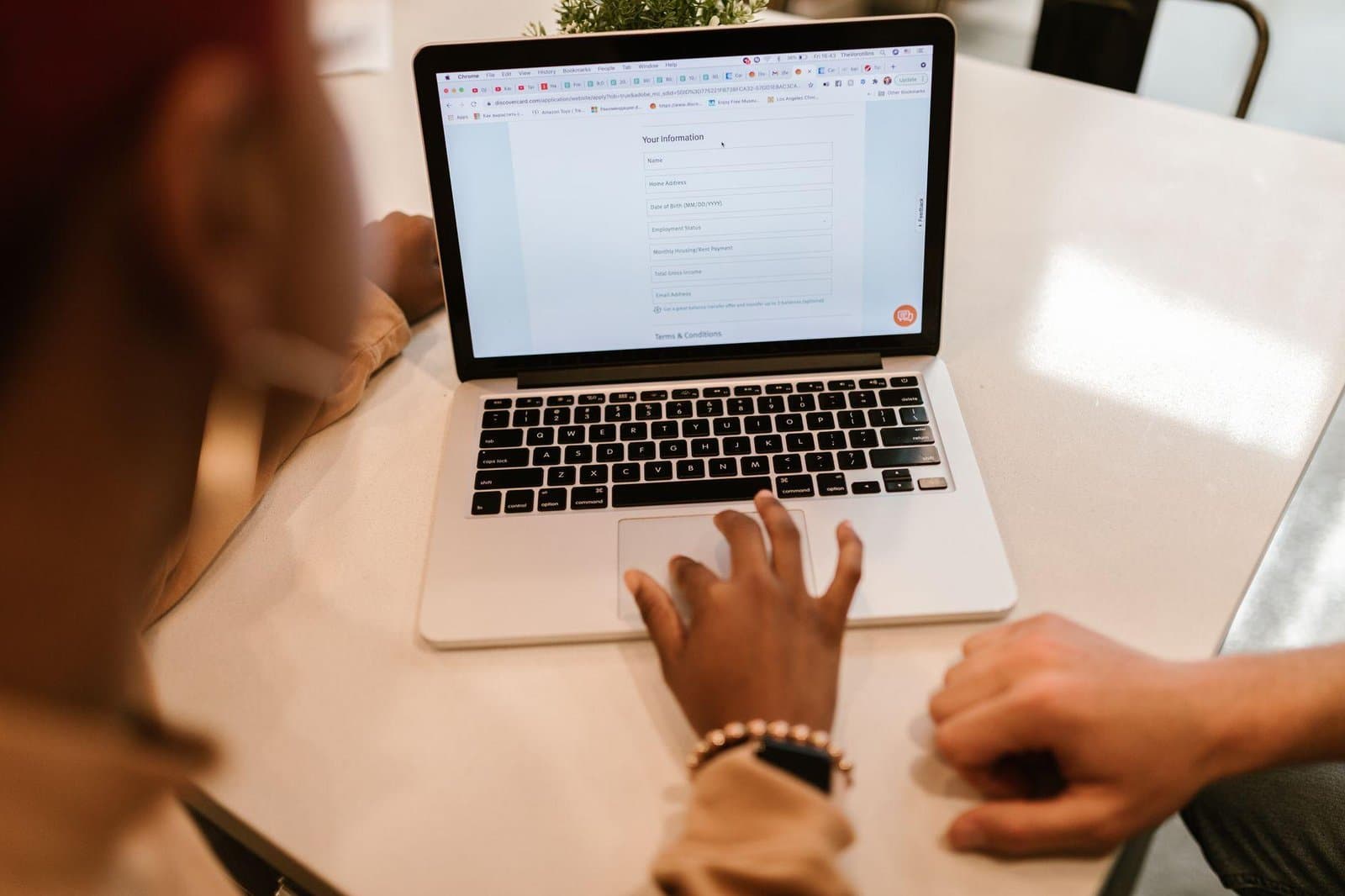
An AI builder can draft a landing page for an accounting firm in minutes. A human still has to verify service claims, remove fictional testimonials, clarify who the offer excludes, test the form, and align the copy with actual sales conversations.
Expand the example into three passes: normal use, invalid input, and an unavailable dependency. For each pass, verify the first checkpoint (“Provide approved facts, audience, offer, and constraints before generation”) and observe whether the second checkpoint (“Treat generated copy and layouts as drafts with named reviewers”) leaves enough context for a safe retry or human decision.
Turn generated pages into reviewed production work
For the AI-assisted website workflow rollout, a practical first pass should follow these controls in order:
- Provide approved facts, audience, offer, and constraints before generation.
- Treat generated copy and layouts as drafts with named reviewers.
- Check claims, links, forms, responsive behavior, and accessibility.
- Review dependencies, analytics, privacy, and export ownership.
- Record why important product and content decisions were accepted.
Within the AI-assisted website workflow implementation, do not mark a checkpoint complete solely because code exists. Ask an operator to demonstrate the outcome and explain the fallback. Keep the answer with the implementation so future changes preserve the reason behind the rule.
Track corrected defects as well as delivery speed
Measure time to a reviewed release, defects found after launch, conversion quality, accessibility findings, and how often generated material needs factual correction. Use trend and distribution, not a single snapshot. Compare intended outcomes with operational cost, and investigate whether improvements for one audience hide regressions for another. Record the decision produced by each review.
Human review does not guarantee quality, and manual work can be inconsistent too. The goal is a clear verification process proportional to business risk. This boundary should shape scope, documentation, and escalation instead of being buried in technical notes.
Next step: Take one generated page through a written review checklist before letting the tool create the rest of the site.
Photo by Tranmautritam on Pexels.

Written by
Adrian Saycon
A developer with a passion for emerging technologies, Adrian Saycon focuses on transforming the latest tech trends into great, functional products.