AI Coding Agents Need Product Guardrails


AI coding agents can turn a request into working code quickly. That speed is useful, but it can also move a team in the wrong direction faster than before. The missing piece is often not implementation skill. It is product judgment.
Agents need clear constraints: what problem matters, what must not change, how success is measured, and what risks require human review.
Speed does not remove accountability
A feature can compile, pass a shallow test, and still be wrong for the customer. It can also introduce security, privacy, accessibility, or maintenance problems that are not obvious in a quick demo.
The team still owns the outcome. The agent is part of the workflow, not the decision-maker.
Useful guardrails
- Write acceptance criteria before implementation.
- Identify files and behaviors that must not change.
- Require tests for business-critical paths.
- Review generated code for data handling and permissions.
- Keep a human responsible for release decisions.
AI agents make good process more important because they reduce the friction of acting on bad assumptions.
Specify outcomes, invariants, and review authority
Make the AI-agent development workflow observable on paper before making it sophisticated in code. Start with the user outcome, acceptance criteria, protected behavior, data boundaries, and review authority for generated changes, then list the few events or artifacts that prove the workflow advanced correctly. This protects the team from mistaking activity for outcome.
A common failure occurs when an agent optimizes for a prompt, completes adjacent work, or preserves tests while changing behavior the product actually depends on. When evidence is absent, incidents turn into competing stories and improvements cannot be separated from coincidence. Designing proof alongside behavior is cheaper than retrofitting logs, fields, and ownership later.
A billing change needs product constraints
For a billing-page change, specify eligible plans, proration rules, permission checks, audit events, unchanged cancellation behavior, test cases, and files outside scope. A reviewer then examines the diff and runs the journey.
Mark the points in the example where useful evidence should exist. After the first checkpoint (“Give the agent repository context and a narrow written objective”), specify what can be inspected without exposing sensitive content. After the second checkpoint (“State non-goals, invariants, risky data, and approval boundaries”), define the confirmation that closes the loop for users and operators.
Turn acceptance criteria into executable guardrails
For the AI-agent development workflow rollout, build behavior and evidence together with these concrete steps:
- Give the agent repository context and a narrow written objective.
- State non-goals, invariants, risky data, and approval boundaries.
- Require tests tied to business behavior and failure cases.
- Review dependency, security, privacy, accessibility, and migration impact.
- Keep production release and destructive actions under accountable control.
Within the AI-agent development workflow implementation, evidence needs an audience and retention rule. Route actionable failures to an owner, keep enough context for safe diagnosis, and avoid collecting data merely because storage is available. Test that the evidence survives the failure it is meant to explain.
Measure correction work alongside coding speed
Track review corrections, escaped defects, test quality, changed-file scope, rollback frequency, cycle time, and repeated prompt failures that should become documentation. Validate instrumentation before trusting trends. Compare browser, application, and system-of-record outcomes where practical, and investigate missing or duplicated observations. Decisions built on broken measurement compound the original problem.
Guardrails reduce risk but cannot prove generated code is correct. Novel architecture, sensitive data, payments, and irreversible migrations deserve deeper human design and verification. Respect the stated boundary when adding telemetry or automation; visibility does not justify unnecessary data access.
Use a recent case from the AI-agent development workflow to test the evidence trail. Confirm the first checkpoint (“Give the agent repository context and a narrow written objective”) can be verified and trace what follows the second checkpoint (“State non-goals, invariants, risky data, and approval boundaries”) without relying on a developer’s memory. Gaps should become instrumentation or documentation work.
Remove noisy signals and strengthen decisive ones. Make the third checkpoint (“Require tests tied to business behavior and failure cases”) visible to the person who can act, with a threshold and response rather than an ornamental dashboard.
Audit the final two controls—“Review dependency, security, privacy, accessibility, and migration impact” and “Keep production release and destructive actions under accountable control”—after the first stable release. Ask an operator to demonstrate them using current data and to recover from a deliberately introduced fault. Retire noisy controls, repair missing evidence, and keep only obligations the AI-agent development workflow team can support.
Before expanding scope, confirm that the first release has an owner, dependable data, and a tested recovery path. New features multiply unresolved ambiguity; they do not repair it. Use the AI-agent development workflow review to close temporary workarounds, remove expired flags or exceptions, and update the baseline measurement. Then choose the next addition because it addresses observed friction, not because it appeared in the original wish list. This sequence keeps operational quality visible and gives the team permission to stop when the current workflow already delivers the intended value.
Next step: Turn the acceptance criteria for the next agent task into executable tests and a short list of behavior that must not change.
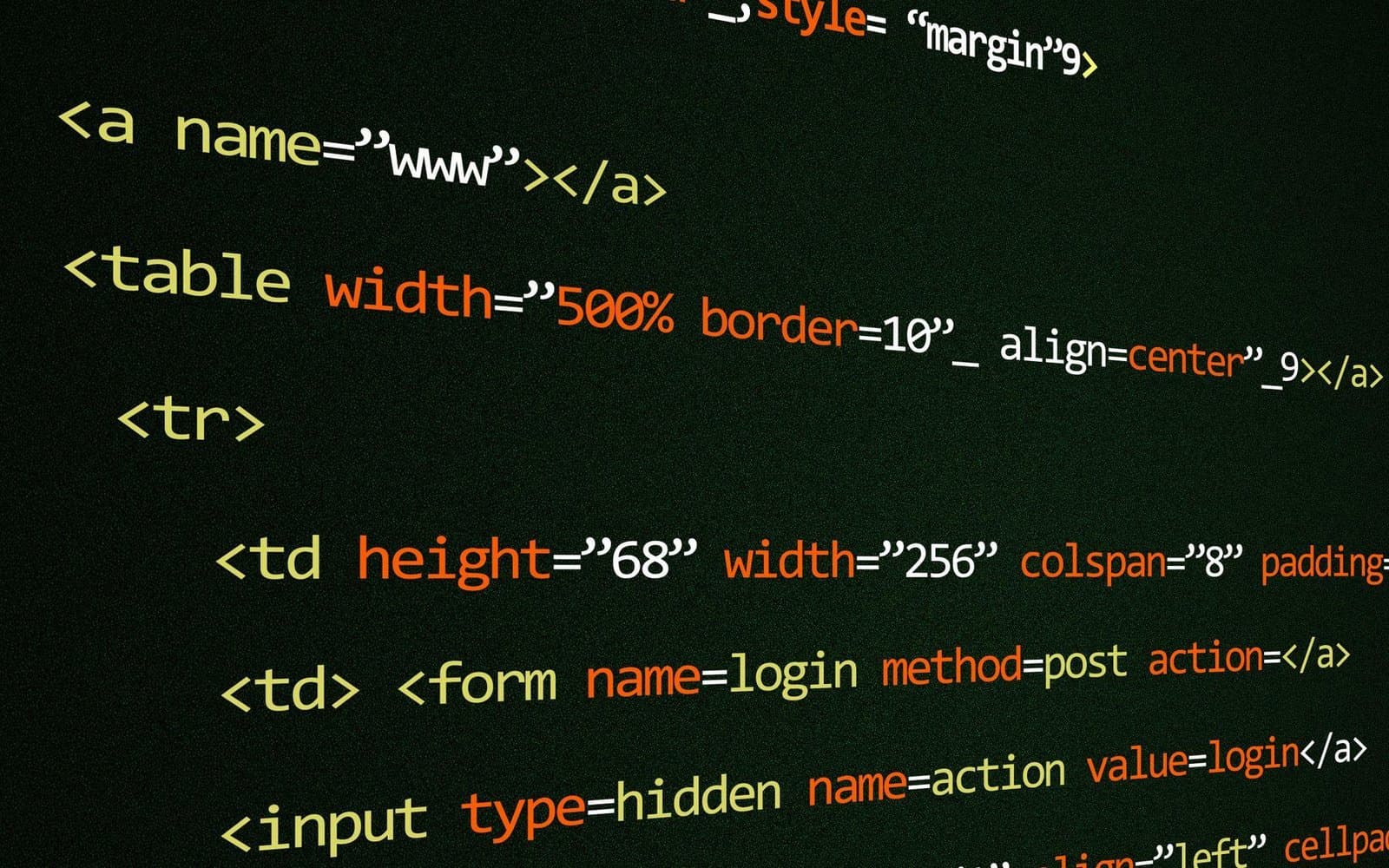
Photo by Daniil Komov on Pexels.

Written by
Adrian Saycon
A developer with a passion for emerging technologies, Adrian Saycon focuses on transforming the latest tech trends into great, functional products.